
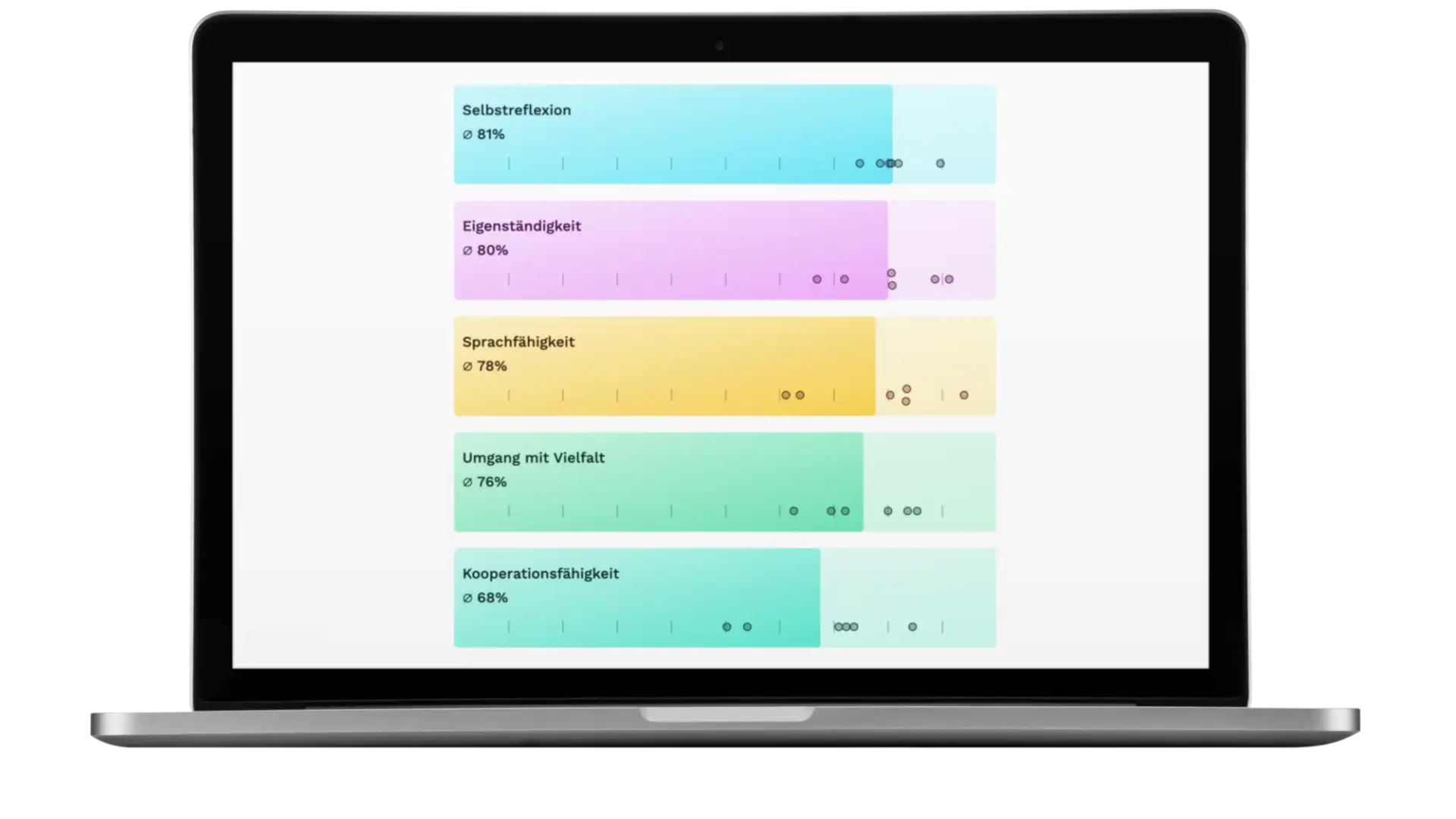
“Interdisciplinary skills will best develop if they are targeted intentionally rather than incidentally”
Interdisciplinary competencies such as self-reflection, cooperation, and conflict resolution are indispensable in everyday school life – but it is often unclear how to promote them. This is exactly where hep Verlag comes in: Wich a new digital offering, teachers in primary and secondary education receive practical suggestions for assessing and promoting such competencies in a targeted manner for the subjects they are teaching.
Franziska Bühlmann and Claudia Zimmerli-Rüetschi from the Chair of Teaching, Learning and and Development at the FHNW School of Education are supporting hep Verlag in implementing this project with their expertise.
What does a meaningful and sustainable promotion of interdisciplinary competencies look like in the classroom?
Franziska Bühlmann: Interdisciplinary skills will best develop if they are targeted intentionally rather than incidentally. This means that they are introduced like subject content, and the relevant knowledge is built up and, if necessary, recalled. Subsequently, students need situations in which these competencies can be practiced so that the transition from knowledge to competence is successful. For example, lessons can focus on how to successfully express feelings using I-statements. Through various exercises, students learn to use this form of communication, especially in conflict situations. When they finally succeed in resolving conflicts in the schoolyard using I-statements, it shows that the transfer from ability to willingness has been made.
Claudia Zimmerli-Rüetschi: Interdisciplinary competencies should also be closely linked to subject content, because this forms the basis for successful subject learning. A clear example is the use of learning strategies: only if students know how to apply such strategies are they able to complete tasks and develop their subject knowledge.
How can teachers determine and communicate their students' skill levels and their need for support? And to what extent will the platform help with that?
Claudia Zimmerli-Rüetschi: It is advisable to discuss the indicators for achieving interdisciplinary skills with the students in advance. You can even develop these indicators together. This also creates a dialogue about what the respective interdisciplinary competency means and what expectations are associated with it. Tools such as those from hep Verlag and Menon Skills make it possible to collect specific learning traces to then visualize the current learning status.
Franziska Bühlmann: So it's not about giving grades, but about making the learning status visible and approaching a well-founded assessment. This gives teachers an overview of where their students stand, which is a good basis for developing their own teaching. Meanwhile, the student’s learning records are also available. This is a great starting point for discussions between teachers and students, their parents or guardians, and the subject team — this makes it possible to address strengths and areas for development and to plan the next steps together. For this purpose, the tool from Menon Skills and hep Verlag offers appealing and clear graphics that visually support the assessment of the learning progress.
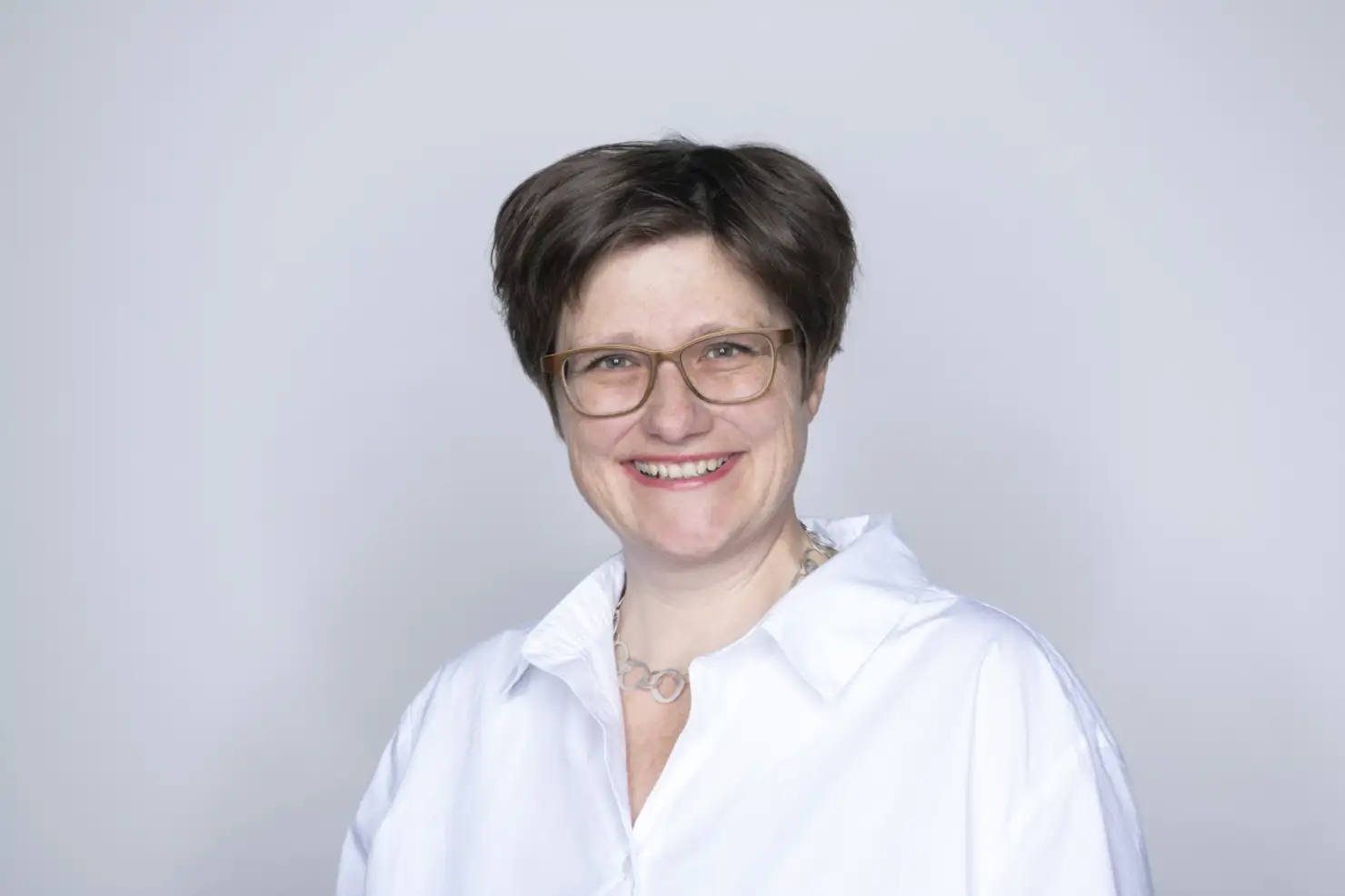
Dr. Franziska Bühlmann
Lecturer in Educational Sciences at the Chair of Teaching, Learning and Development, Institute for Secondary Education I and II, University of Teacher Education Northwestern Switzerland (PH FHNW).
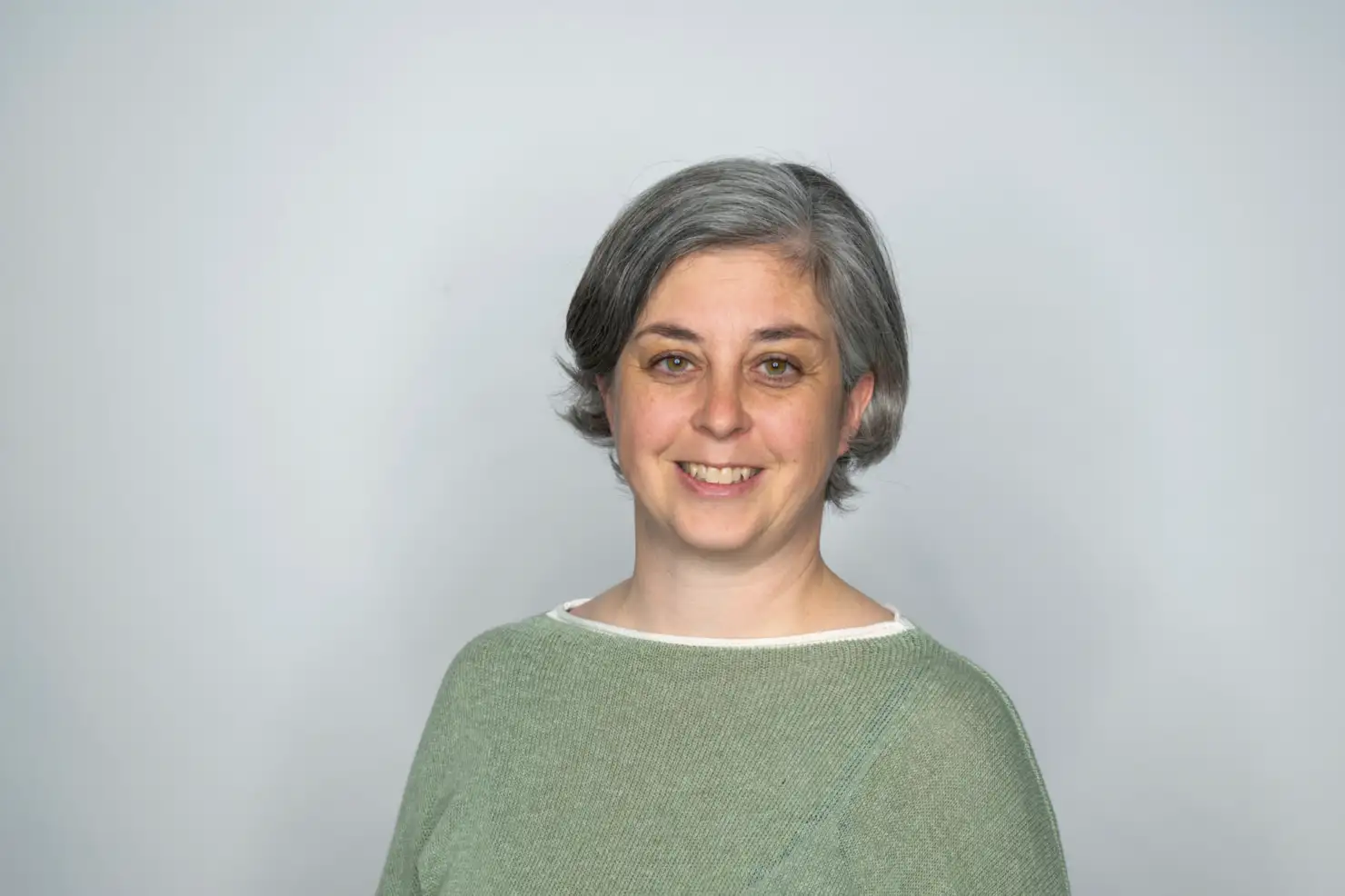
Claudia Zimmerli-Rüetschi
Lecturer in Educational Sciences at the Chair of Teaching, Learning and Development, Institute for Secondary Education I and II, University of Teacher Education Northwestern Switzerland (PH FHNW), and Lecturer in the Master of Educational Sciences programme at the Institute of Educational Sciences, University of Basel.